Introduction
In an era where education paves the path to success, understanding the nuances of academic performance has become essential. A recent comprehensive study delves into the intricate world of student achievement, focusing on key metrics such as math, reading, and writing scores across various demographics and educational backgrounds. This article presents a detailed analysis, uncovering patterns and correlations that offer a deeper understanding of the factors influencing academic success.
Gender Disparities in Reading Proficiency
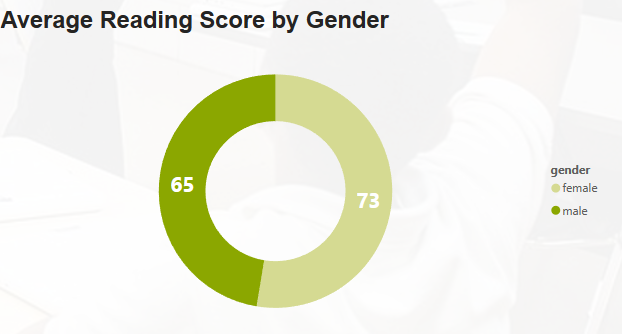
One of the study’s significant findings is the noticeable disparity in reading scores between genders. On average, females outperform males, with average reading scores of 72.61 for females compared to 65.47 for males. This discrepancy highlights the need for targeted educational strategies that address the distinct learning styles and preferences of each gender, ensuring that both males and females have equal opportunities to excel in reading.
The Interplay Between Math and Reading Skills
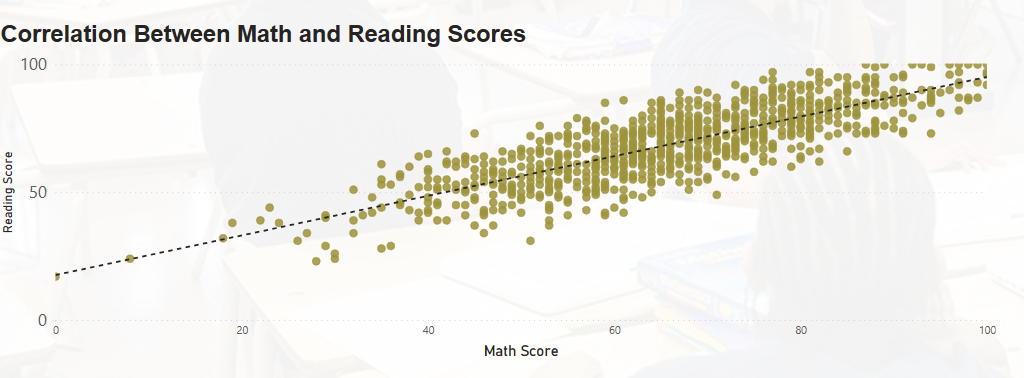
The study also explored the correlation between math and reading scores, revealing a fascinating relationship between these two academic domains. Data points across the spectrum, from scores as low as 0 in math and 17 in reading to scores as high as 100 in both, demonstrate a positive correlation. This suggests that students who excel in math tend to perform well in reading and vice versa. This relationship underscores the importance of a balanced educational approach that fosters both numerical and verbal skills, preparing students for a wide range of future challenges and opportunities.
Impact of Parental Education on Student Performance
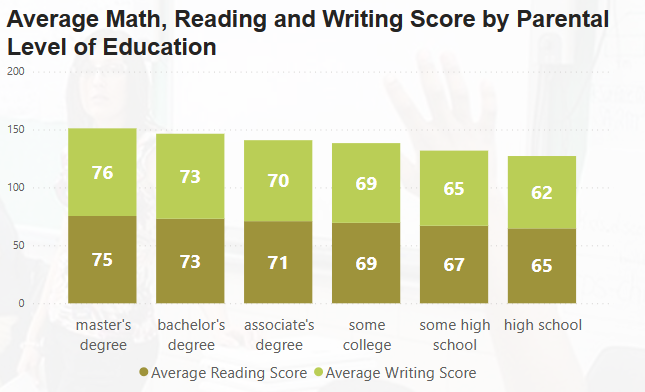
Delving deeper, the study examined the influence of parental education levels on student test scores. Notably, children of parents with higher educational attainments—specifically, master’s and bachelor’s degrees—tend to have higher average scores in reading (75.37 and 73, respectively) and writing (75.68 and 73.38, respectively). This pattern suggests that parental education level plays a crucial role in a child’s academic development, likely due to factors such as a more stimulating intellectual environment at home and greater access to educational resources.
Racial and Ethnic Variations in Academic Achievement
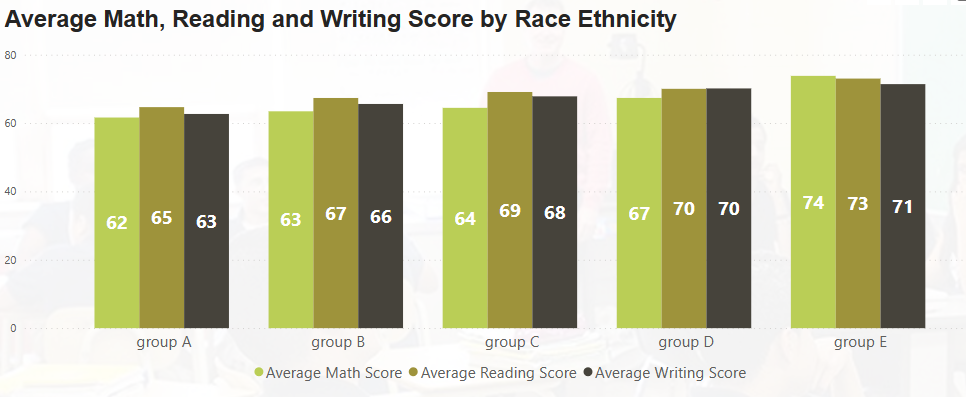
The analysis further extends to the impact of race and ethnicity on academic performance. Students from Group E (which could represent a specific racial or ethnic background) notably outshine their peers, with average math, reading, and writing scores of 73.82, 73.03, and 71.41, respectively. In contrast, students from Group A have the lowest average scores across these subjects. These findings point to the complex interplay of cultural, socioeconomic, and educational factors that influence academic outcomes, highlighting the need for policies and programs that address these disparities.
Conclusion
The comprehensive analysis of student performance across different demographics and educational backgrounds sheds light on the multifaceted nature of academic achievement. Gender, parental education, and race/ethnicity emerge as significant factors influencing students’ performance in math, reading, and writing. As educators and policymakers digest these findings, the ultimate goal remains clear: to devise and implement strategies that cater to the diverse needs of all students, fostering an environment where every child can achieve their full academic potential.