Introduction
The automotive industry is a vibrant and ever-evolving sector, with a myriad of factors influencing car values over time. In this analysis, we dive into various aspects of car selling prices, examining how they have changed over the years, the impact of transmission types, popular color choices, and the dominance of certain car makers in the market. This comprehensive overview sheds light on the intricacies of the car market, offering valuable insights to enthusiasts, buyers, and sellers alike.
The Evolution of Average Selling Prices by Year
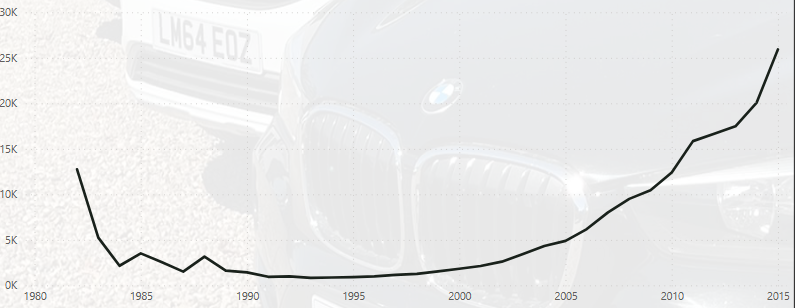
A fascinating trend emerges when we explore the average selling prices of cars by their manufacturing year. From a modest average of $2,160 in 1984, there’s a noticeable fluctuation in prices, with a significant upward trajectory starting from the early 2000s. By 2015, the average selling price had soared to an impressive $25,932.12. This upward trend is a testament to the advancements in automotive technology, increased consumer demand for newer, feature-rich models, and the overall inflationary pressures on the economy. The graph of these prices over time would reveal not just the evolution of car valuation but also mirror economic trends and consumer preferences.
Impact of Transmission on Selling Prices
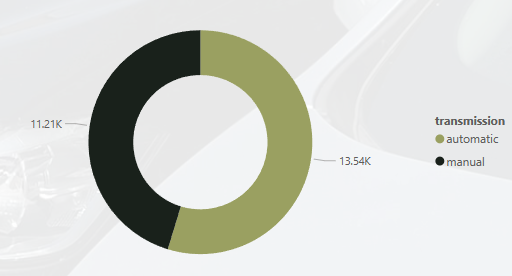
Transmission type has long been a topic of debate among car enthusiasts, often associated with driving pleasure, control, and maintenance costs. Our analysis shows a clear distinction in the average selling prices based on transmission types: automatic transmission vehicles command an average selling price of $13,540.41, while their manual counterparts are slightly lower at $11,211.45. This difference underscores the growing consumer preference for automatic vehicles, possibly due to their convenience in increasingly congested urban environments and the diminishing gap in fuel efficiency between the two transmission types.
Color Preferences and Market Trends
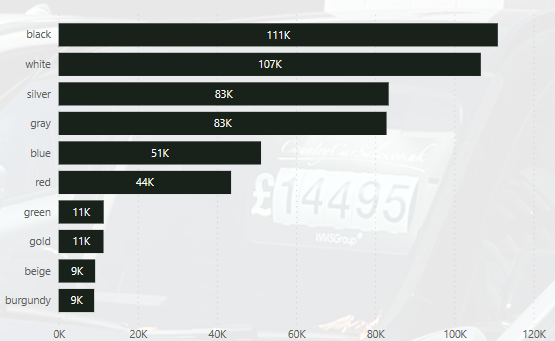
Color plays a significant role in the aesthetics and appeal of a vehicle. Black and white dominate the market as the most common colors, with counts of 110,970 and 106,673, respectively. These colors are often associated with a timeless, classic look that appeals to a wide range of consumers. Silver, gray, and blue follow, indicating a general preference for neutral and versatile colors that maintain their appeal over time. The popularity of these colors could influence resale values, with more popular colors potentially retaining value better than less popular ones.
Dominance of Car Makers in the Used Car Market
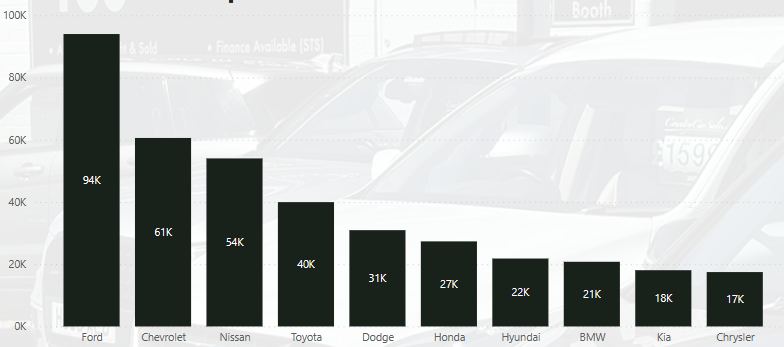
The landscape of the most common car makers reveals a significant presence of Ford and Chevrolet, with counts of 93,997 and 60,587, respectively. This dominance suggests a strong brand loyalty and consumer trust in these manufacturers. Nissan, Toyota, and Dodge round out the top five, highlighting the diverse preferences among car buyers. The presence of these makers in the used car market reflects their popularity, reliability, and the availability of parts and service, which are crucial factors for many buyers.
Conclusion
This analysis delves into the complex dynamics of the car selling prices, showcasing the significant impact of manufacturing year, transmission type, color preferences, and brand dominance. As the automotive industry continues to evolve, these factors will remain pivotal in shaping market trends and consumer preferences. Whether you’re a potential buyer, seller, or simply an automotive enthusiast, understanding these trends can provide valuable insights into the ever-changing landscape of the car market.